Category: South Asian Mental Health
-
“Nothing Was Wrong, But Something Was Missing”: Emotional Neglect in South Asian Families

“Many adults who experienced emotional neglect in South Asian families struggle to explain why they feel this way.” “My parents did everything for me… so why do I feel this way?” This is one of the most confusing experiences to explain. You weren’t abused. You were cared for in many ways. Your parents may have:…
-
The “Good Child” Trauma Response: When Being Easy Meant Losing Yourself

“I was the easy one” You didn’t cause problems. You didn’t ask for much. You figured things out on your own. And people appreciated that about you. You were called: But what often gets missed is this: You didn’t become that way for no reason. When being “good” becomes a role, not a choice For…
-
I’m Financially Responsible for Everything… What If I Lose My Job?

This fear can sit in the background constantly. “What if something happens?”“What if I can’t keep up?” This is for you if… The weight you carry You’re not just thinking about yourself. You’re thinking about: The fear underneath It’s not just: “What if I lose my job?” It’s: “What happens to everything else if I…
-
Why Do I Feel So Behind Compared to Everyone Else My Age?

It can feel constant. You open LinkedIn.Instagram.Group chats. And it feels like: “Everyone is moving forward… except me.” This is for you if… The comparison trap You’re not comparing: You’re comparing: But it still feels real “They’re earning more”“They’re more stable”“They figured it out” And you’re left with: “What am I doing wrong?” This often…
-
I Moved Abroad to Be Successful… So Why Do I Feel Like I Failed?

You might not say this out loud. But it’s there. “I came here for something better…”“So why does it feel like I messed it up?” You thought: Instead, you feel: And maybe even ashamed. This is for you if… The part no one talks about Moving abroad isn’t just a career move. It becomes your…
-
Things Emotionally Neglected Children Learn (That Follow Them Into Adulthood)

You don’t always notice it growing up. You adapt. You adjust.You figure things out on your own. And it works… until it doesn’t. This is for you if… What emotional neglect teaches you Not through words. But through experience. 1. “My feelings don’t matter” So you stop expressing them. 2. “I shouldn’t need too much”…
-
I Know My Parents Love Me… So Why Do I Feel So Controlled?
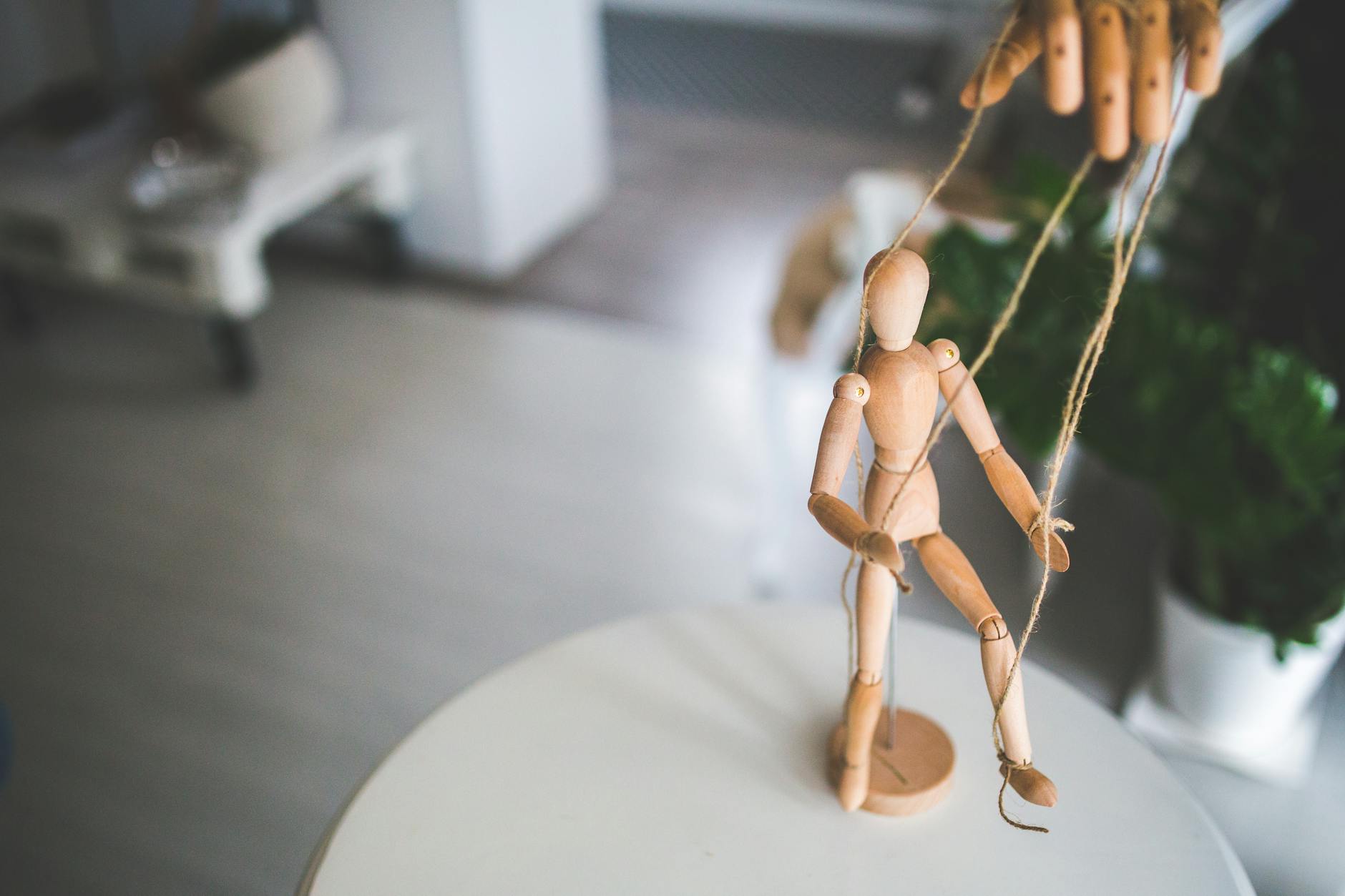
This is a confusing place to be: “They love me.”“They care about me.” And also: “Why do I feel suffocated?”“Why do I feel like I can’t make my own choices?” Both can exist at the same time. This is for you if… When love feels like control Sometimes control doesn’t look harsh. It looks like:…
-
Do I Owe My Parents My Life Because They Sacrificed Everything?
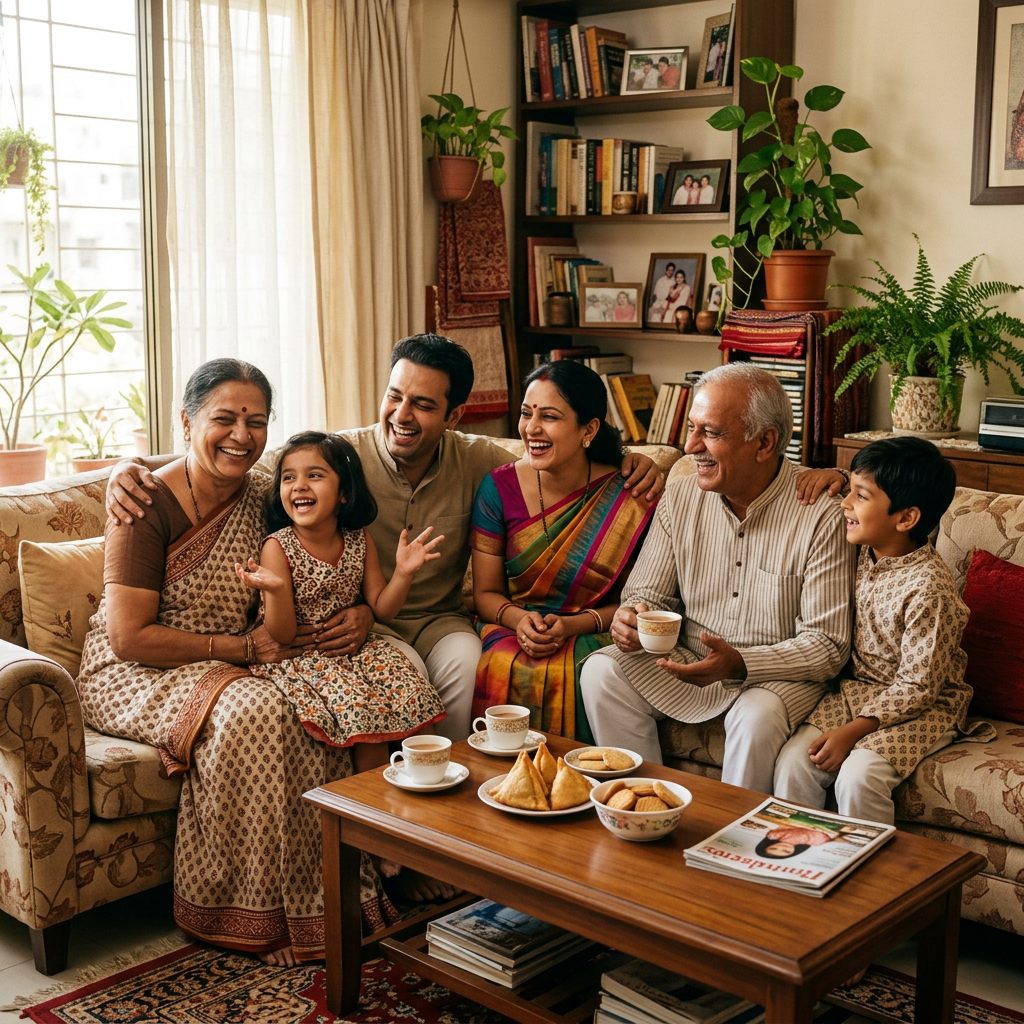
This thought can feel heavy: “They did so much for me…”“They gave up everything…”“I can’t just live my life the way I want.” So you stay. You adjust.You compromise.You carry the weight. Even when it doesn’t feel right. This is for you if… The unspoken pressure In many South Asian families, sacrifice is not just…
-
Nothing ‘Bad’ Happened… So Why Do I Feel So Messed Up?

You might have said this to yourself before: “My childhood was fine.”“Nothing bad really happened.”“So why do I feel like this?” And yet… You feel: And you can’t point to a clear reason. So instead of exploring it…you question yourself. “Am I just being dramatic?”“Other people had it worse.”“I should be grateful.” And still, something…
-
Why Do I Feel So Guilty Setting Boundaries with My Parents?

If setting boundaries with your parents makes you feel like a bad person… You’re not alone. Maybe you’ve tried to say no.Or even thought about saying no. And immediately, something in you tightens. “They’ve done so much for me…”“Who am I to say no?”“I’m being selfish.” So instead, you stay quiet.You go along with it.You…