Tag: healing
-
Things Emotionally Neglected Children Learn (And Carry Into Adulthood)

Emotional neglect can shape how you see yourself and others. Learn the hidden beliefs emotionally neglected children develop—and how to heal. Introduction Emotional neglect isn’t about what happened to you.It’s about what didn’t happen. No one may have yelled.No one may have hurt you physically. But your emotional needs weren’t fully seen, supported, or understood.…
-
What Emotional Abuse Can Look Like (Without Yelling or Hitting)

Emotional abuse isn’t always loud. Learn the subtle signs of emotional abuse, including gaslighting, silent treatment, and control—and how therapy can help. Introduction When people think of abuse, they often imagine yelling, threats, or physical harm. But emotional abuse can be much quieter—and harder to recognize. Many people come into therapy saying:“Nothing was that bad……
-
Nothing ‘Bad’ Happened… So Why Do I Feel So Messed Up?

You might have said this to yourself before: “My childhood was fine.”“Nothing bad really happened.”“So why do I feel like this?” And yet… You feel: And you can’t point to a clear reason. So instead of exploring it…you question yourself. “Am I just being dramatic?”“Other people had it worse.”“I should be grateful.” And still, something…
-
Was I Emotionally Abused or Am I Just Being Dramatic?
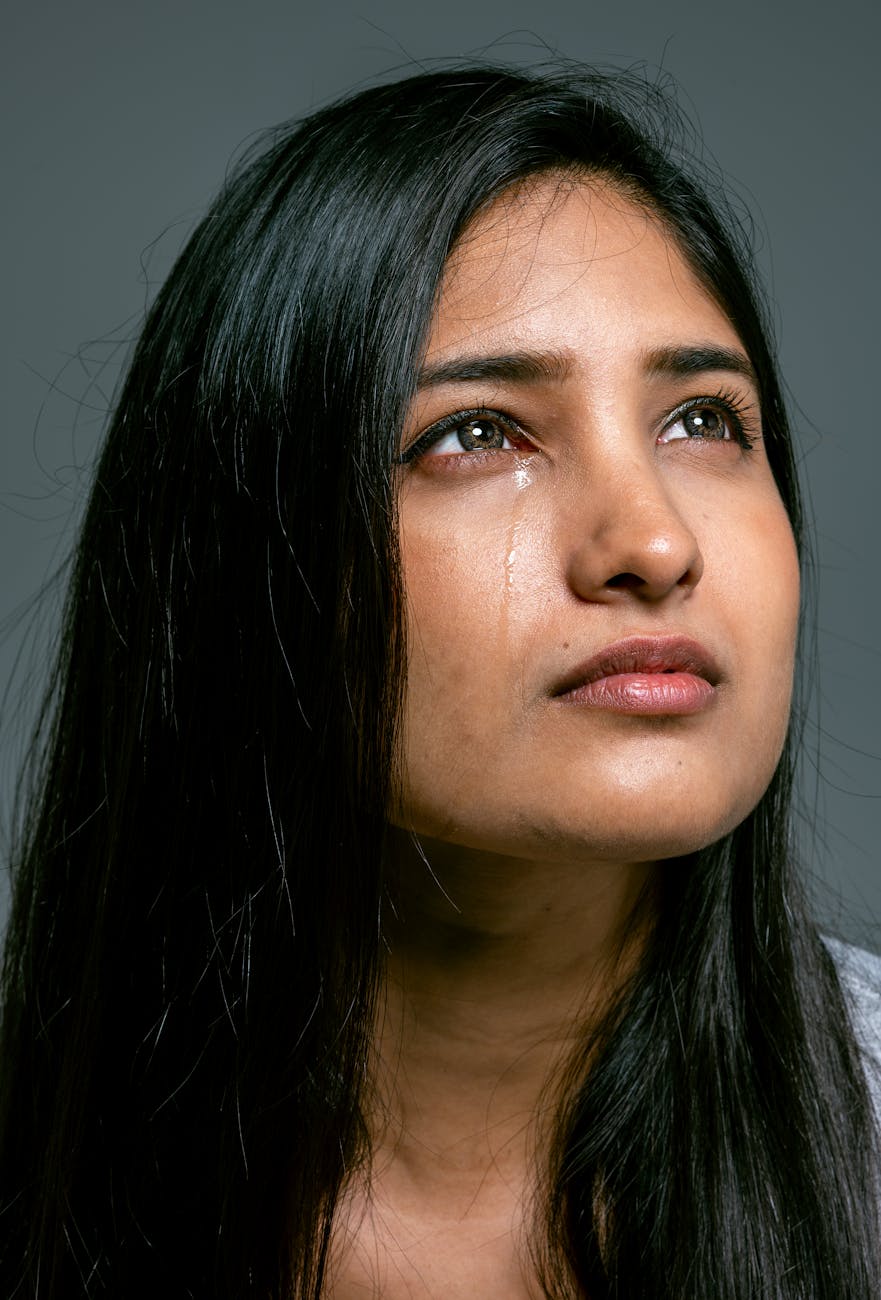
If you’ve ever questioned whether what you experienced “counts”… You’re not alone. Maybe nothing obvious happened. No yelling.No hitting.No “clear” abuse. And yet… “Why do I still feel this way?”“Why do I feel so anxious around them?”“Am I just overreacting?” So you minimize it. “Other people had it worse.”“It wasn’t that bad.” But something still…
-
What Emotional Abuse Can Look Like (Even Without Yelling or Hitting)

You don’t need bruises to be hurt. A lot of people dismiss their experiences because“nothing that bad happened.” No yelling.No hitting.No obvious cruelty. And yet… something doesn’t feel right. If you’ve ever walked away from conversations feeling small, confused, or like you’re “too sensitive,” you might be experiencing emotional abuse. What emotional abuse actually looks…
-
Why Gujarati Daughters Struggle With Guilt (And Why It’s Not Your Fault)
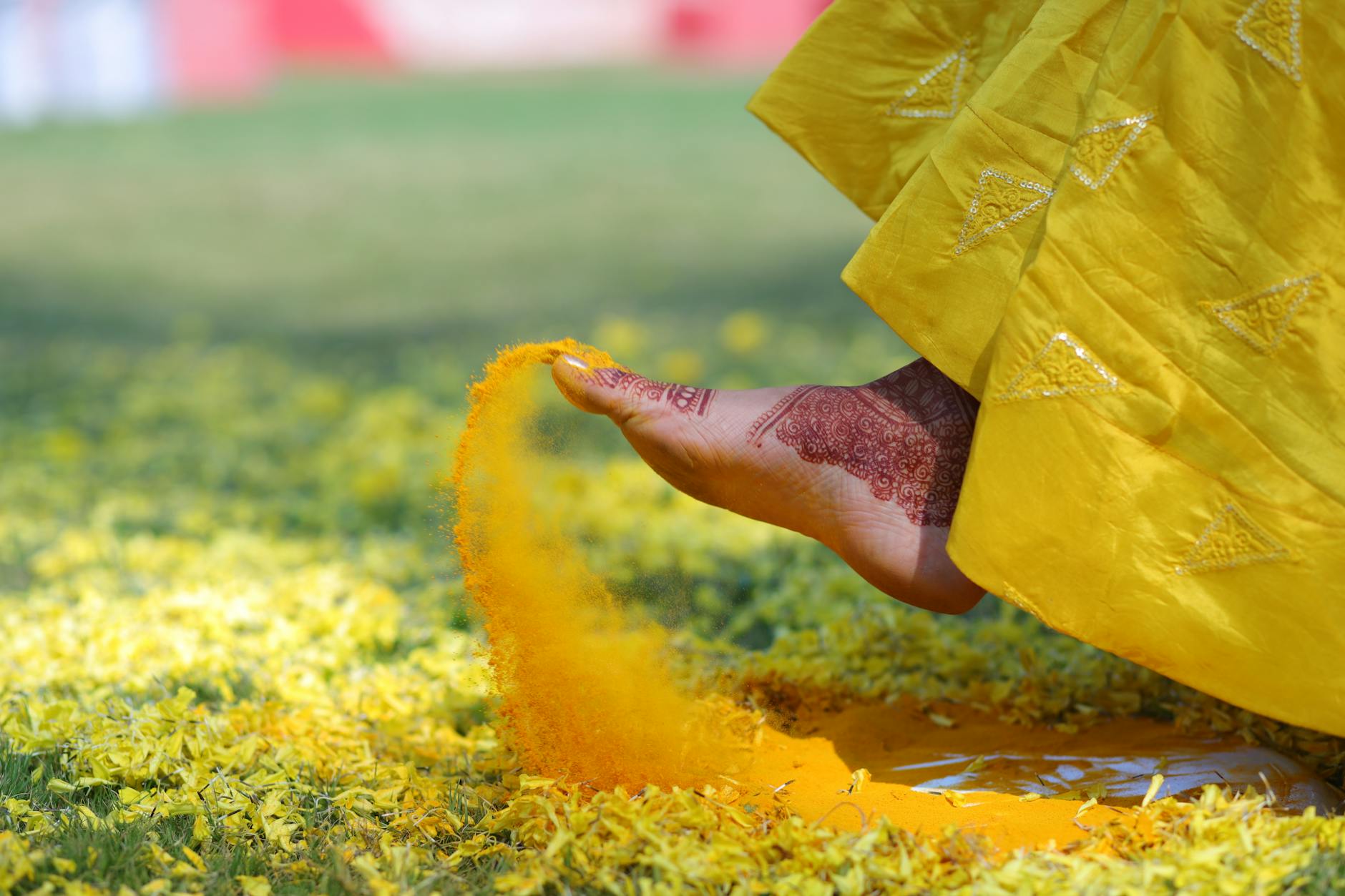
If you’re a Gujarati daughter, guilt isn’t just an emotion — it can feel like a responsibility. You feel guilty for: And the hardest part? You don’t even know where it started. What is “guilt culture” in South Asian families? In many South Asian households, guilt becomes a way to maintain connection, respect, and obedience.…
-
Why Childhood Emotional Neglect Feels Like “Nothing Was Wrong” — But Everything Feels Hard Now

How subtle emotional neglect creates adults who overfunction, suppress needs, and feel chronically “not enough,” even when they appear successful. “Nothing bad happened… so why do I feel like this?” Many adults come to therapy with a quiet, confusing question: “My childhood wasn’t abusive. My parents did their best. So why do I feel so…
-
Healing Intergenerational Trauma: A Journey towards Wholeness
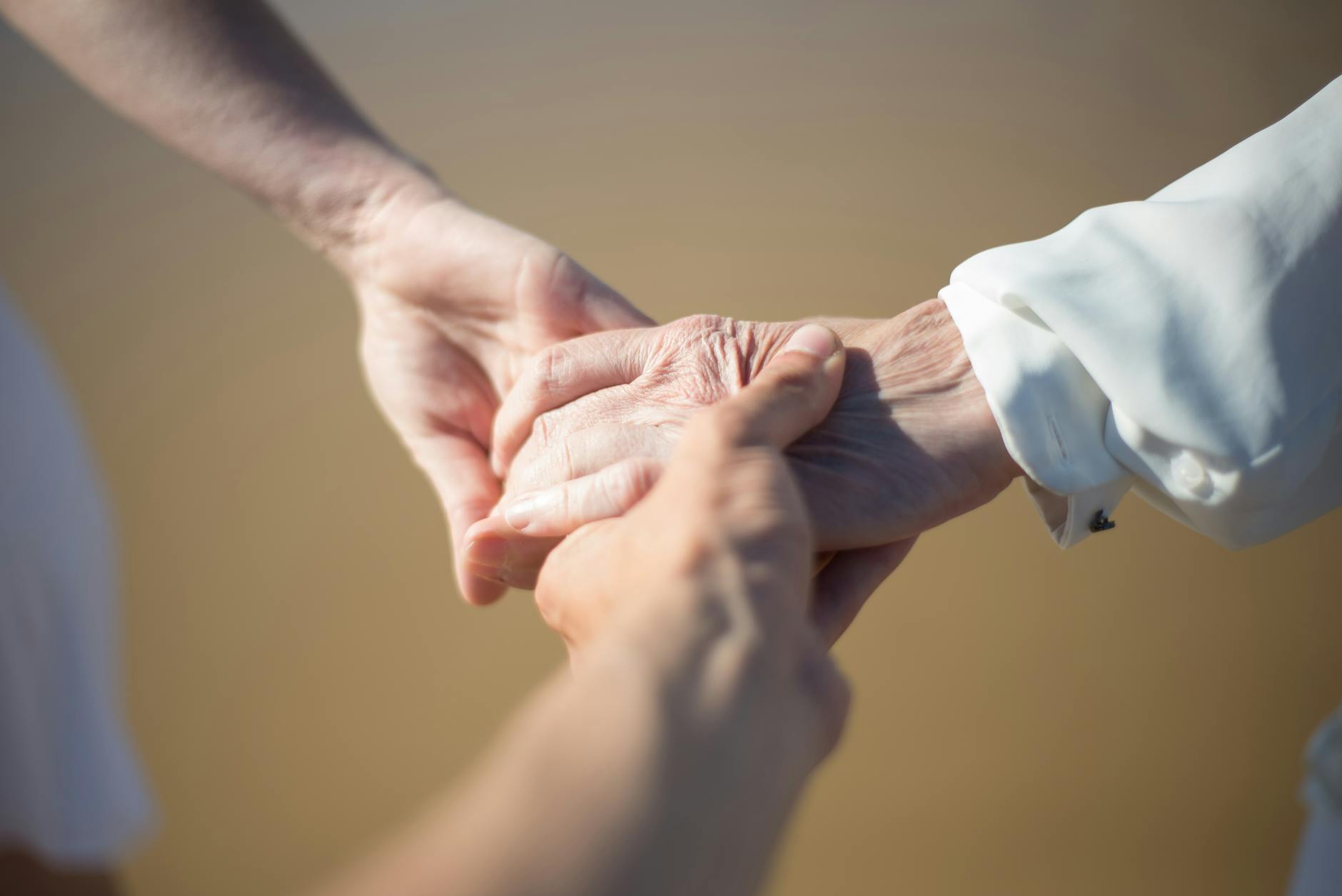
In the realm of psychotherapy, few concepts are as profound and impactful as intergenerational trauma. Often passed down through generations, this hidden force can shape the lives of individuals and families in profound ways. In this blog, we delve into the depths of intergenerational trauma, exploring its origins, manifestations, and most importantly, the pathways to…
-
The 6 Trauma Responses: Why You React the Way You Do

When we think about trauma, we often imagine something big or dramatic—a car crash, a natural disaster, or a violent incident. But trauma can also come from emotional neglect, chronic stress, unhealthy relationships, or even being constantly dismissed. What matters most isn’t the event itself, but how your body and nervous system respond to it.…
-
People Pleasing in South Asian Women: A Hidden Struggle That Deserves Therapeutic Support

Explore how people-pleasing affects South Asian women and how culturally sensitive therapy in Ontario can help. Work with a therapist who understands your story. The Quiet Weight: People-Pleasing in South Asian Women and the Path to Healing If you’re a South Asian woman living in Ontario and feel like you’re always putting others first—your family,…