Category: Perfectionism
-
The Hidden Loneliness of High-Functioning Men

Why success doesn’t always protect against emotional isolation When Everything Looks Fine — But Doesn’t Feel That Way On the surface, many men appear to have everything together. They’re: But internally, many describe something very different: “I feel alone, even when I’m not.” This is the hidden loneliness of high-functioning men — a quiet, often…
-
Career vs Family: The Guilt Gujarati Women Carry (Especially Abroad)

You worked hard to build your career. But sometimes it feels like:No matter what you choose—something feels wrong. The double expectation What this creates A constant internal dialogue: “Am I doing enough?”“Am I doing too much?” Immigrant layer Living abroad adds: Emotional impact Reframe You’re not failing. You’re holding two full-time identities at once. You…
-
Why Gujarati Women Struggle to Say No (And How to Start Setting Boundaries)
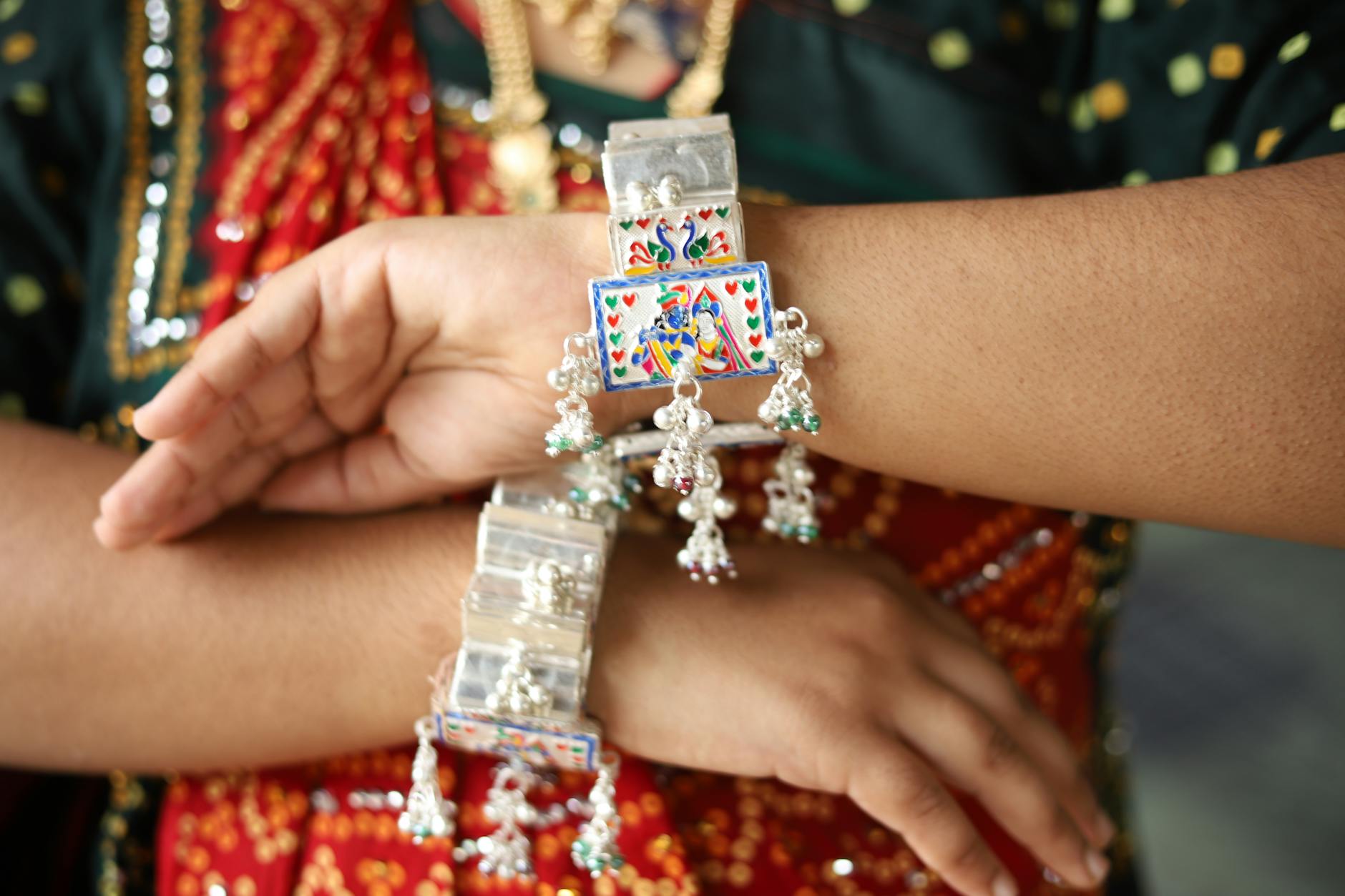
You know you should say no. But when the moment comes…You freeze. Or you say yes. Or you say “maybe.” And later—you feel resentment. Why saying no feels so hard Because “no” doesn’t just mean no. It can feel like: Cultural conditioning behind this Gujarati women are often taught to: So boundaries can feel like…
-
Moving Abroad as a Gujarati Woman: The Loneliness No One Talks About

You did everything “right.” You moved abroad.You built a life.You adjusted. From the outside, it looks like success. But inside? There’s a quiet loneliness that’s hard to explain. The loneliness isn’t just about people It’s about: Many immigrant women describe this as “living between two identities” — not fully here, not fully there. What women…
-
Why Gujarati Women Don’t Talk About Mental Health (And What Needs to Change)

In many Gujarati families, mental health isn’t ignored. It’s… not named. You might hear: But rarely: Why mental health conversations are limited Research shows that even defining mental health can be unclear in Gujarati communities, with confusion around what it actually means. This leads to: Cultural reasons behind the silence 1. Survival mindset Many families…
-
Why Gujarati Daughters Struggle With Guilt (And Why It’s Not Your Fault)

If you’re a Gujarati daughter, guilt isn’t just an emotion — it can feel like a responsibility. You feel guilty for: And the hardest part? You don’t even know where it started. What is “guilt culture” in South Asian families? In many South Asian households, guilt becomes a way to maintain connection, respect, and obedience.…
-
Why Many Men Shut Down Emotionally — And How Therapy Helps Reconnect
Understanding emotional withdrawal, overwhelm, and the path back to connection When Words Disappear Many men describe a moment during conflict, stress, or emotional conversations when something inside them simply… shuts off. A partner might say:“You stop talking.”“You shut down.”“You disappear emotionally.” From the outside, it can look like avoidance, indifference, or stubbornness. But internally, many…
-
The ADHD Iceberg in South Asian Adults: Understanding What Lies Beneath the Surface
Introduction ADHD is often associated with visible traits such as difficulty sustaining attention, hyperactivity, and impulsivity. These are the characteristics most people recognize because they are easier to observe. However, for many South Asian adults, ADHD is far more complex than what appears on the surface. The iceberg model is a helpful way to understand…
-
“ADHD in South Asian Men: From ‘Lazy’ Labels to Understanding the Brain”

When ADHD Looks Like ‘Not Living Up to Potential’ Many South Asian men grew up hearing painful labels: In reality, many of these men were living with undiagnosed ADHD—a neurological condition that affects focus, organization, motivation, and emotional regulation. This blog explores how ADHD often goes unnoticed in South Asian men, how shame forms around…
-
Self-Esteem and Self-Worth When You’ve Lived Years Without Knowing — Reclaiming Your Sense of Value

Many women with undiagnosed ADHD struggle with shame, low self-esteem, and self-blame. Learn how ADHD impacts self-worth — and how therapy can help you rebuild confidence and reconnect with your true identity.