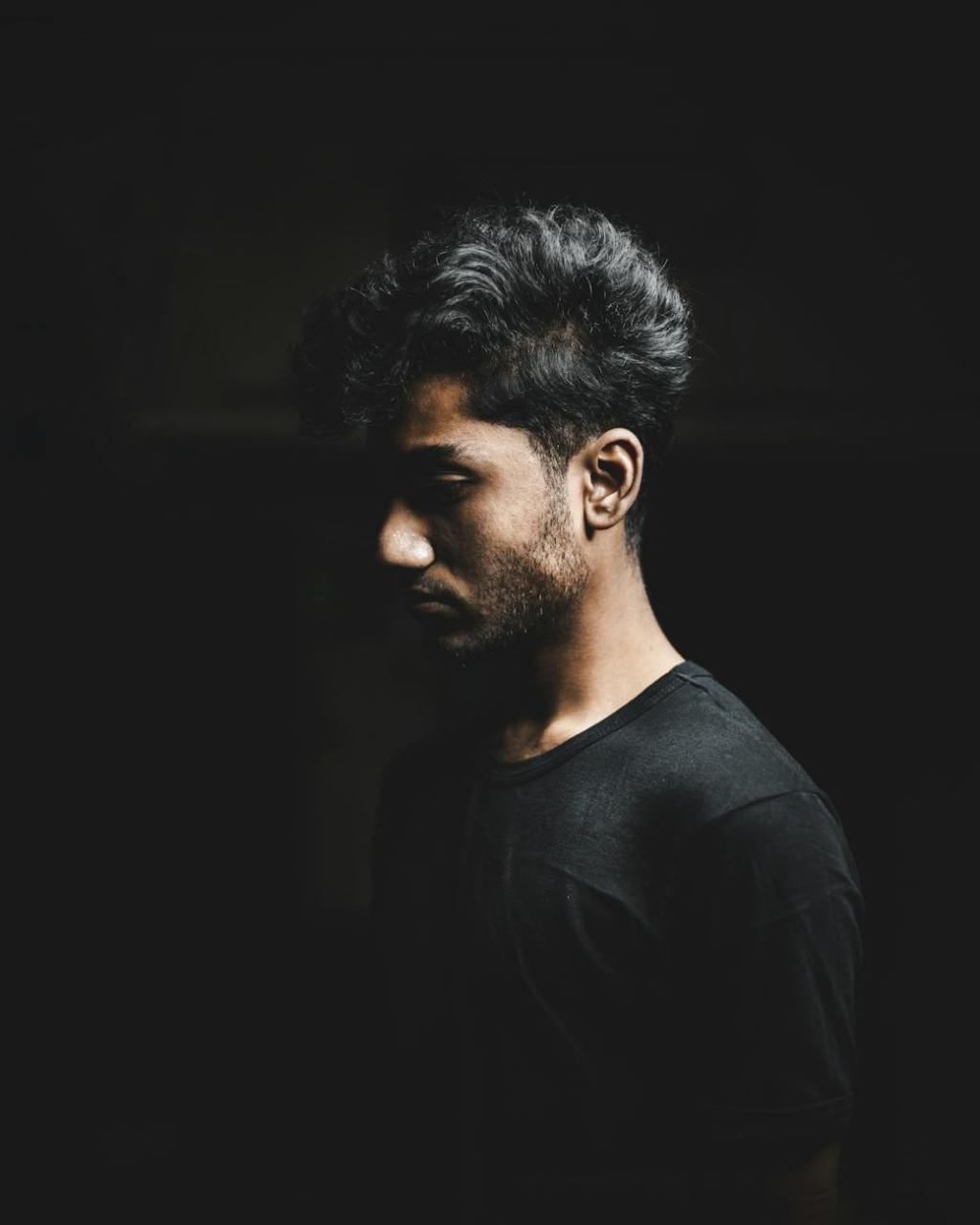
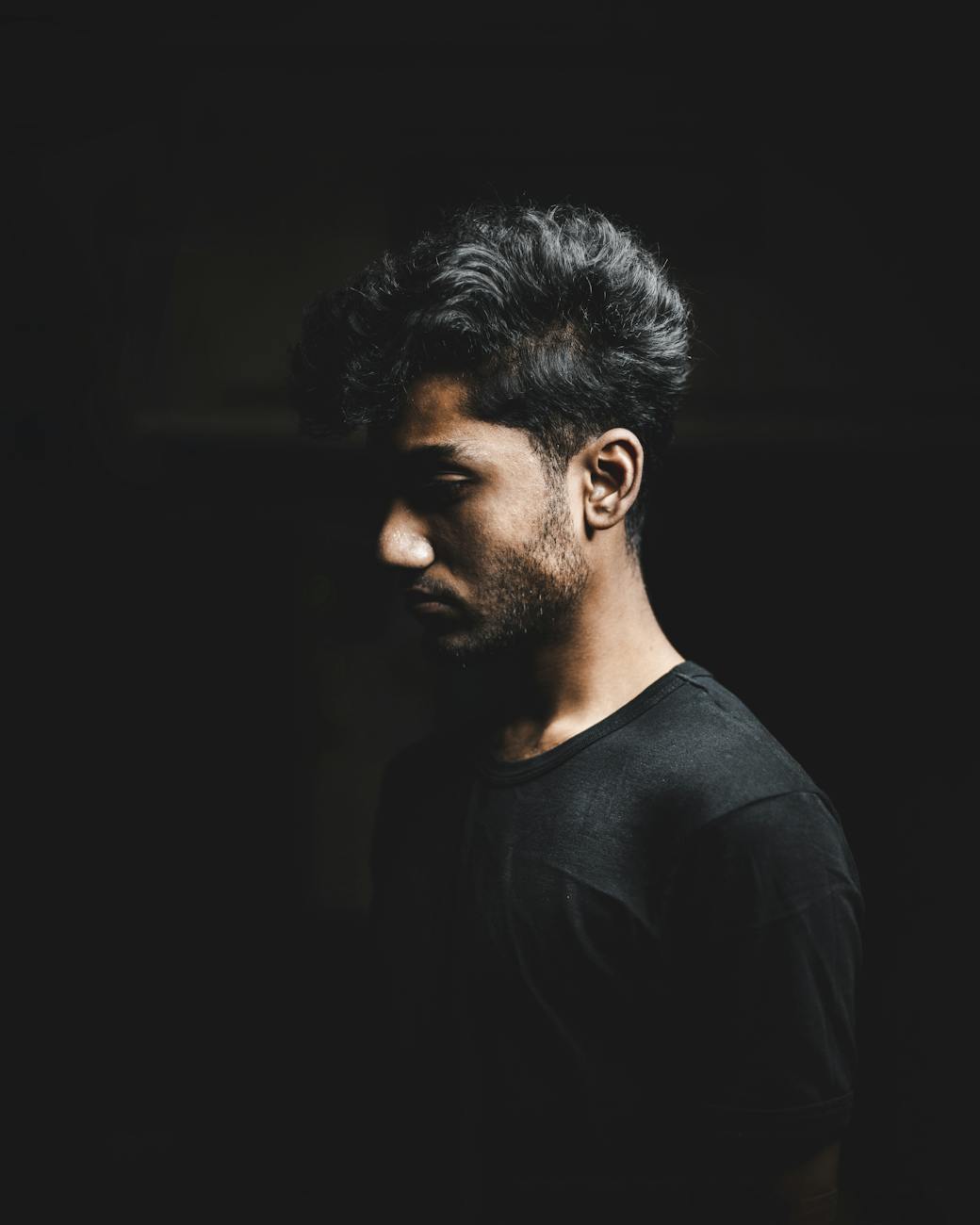
For many South Asian men, asking for help can feel unfamiliar, uncomfortable, or even wrong.
You may have grown up hearing messages like:
- “Be strong.”
- “Don’t show weakness.”
- “Handle it on your own.”
- “What will people say?”
These ideas can make it incredibly difficult to reach out for support—even when you’re struggling with stress, burnout, depression, or relationship challenges.
But here’s the truth:
Not asking for help doesn’t mean you’re strong. It means you were never allowed to feel safe enough to lean on someone.
This blog explores why South Asian men often struggle silently, and how therapy can become a safe, culturally informed space to finally exhale.
1. The Expectation to Be the “Strong One”
In many South Asian homes, boys are raised to take on responsibility early:
- Being the problem-solver
- Protecting family reputation
- Putting others’ needs first
- Avoiding emotional expression
By adulthood, this often turns into:
- Taking on too much
- Burnout
- Emotional shutdown
- Difficulty accessing vulnerability
- Avoiding conversations about stress, anxiety, or sadness
You may appear outwardly calm or capable, but internally carry a weight no one sees.
2. The Fear of Judgment (“Log Kya Kahenge”)
South Asian culture is deeply community-oriented—but this also means many men grow up fearing judgment.
Mental health concerns may be dismissed as:
- “Just stress”
- “Just work harder”
- “Don’t overthink”
- “Don’t talk about these things”
This creates an environment where speaking up feels unsafe or embarrassing, even though the struggle is human and universal.
3. Emotional Suppression Becomes a Survival Skill
Many South Asian men learned early on that expressing emotions led to:
- Criticism
- Shame
- Silence
- Minimization
So the body adapts. It pushes feelings down.
Anger becomes the only “acceptable” emotion for many men because it’s seen as strong, not vulnerable.
Over time, this can look like:
- Irritability or frustration
- Withdrawing from loved ones
- Feeling numb or disconnected
- Overworking to avoid thinking
- Difficulty naming emotions
Therapy helps you build a different way—one that honours your emotional world instead of shutting it down.
4. Identity, Immigration, and Pressure
Many South Asian men in Canada navigate two worlds:
- The cultural expectations of family and community
- The Western expectation to be emotionally open
This tension creates confusion and self-doubt.
Men often carry:
- Pressure to succeed academically or professionally
- Financial responsibility for extended family
- The role of mediator in family conflict
- The expectation to stay silent about their needs
It’s no wonder many feel overwhelmed but cannot voice it.
5. How Therapy Becomes a Safe Space for South Asian Men
Therapy is not about weakness. It’s about release.
Here is what South Asian men experience in therapy with me:
A non-judgmental, culturally informed environment
You don’t need to explain your culture, family dynamics, or shame-based messages—I understand them and work with them.
A place to finally speak without fear
No criticism. No interruptions. No expectations.
Support for real-life challenges
- Burnout
- Identity stress
- Family conflict
- Emotional shutdown
- Relationship struggles
- Workplace pressure
Tools tailored to your lived experience
Therapy helps you build healthier boundaries, emotional awareness, and communication skills that feel natural—not forced.
6. You Don’t Have to Do It Alone
If you’re a South Asian man who has spent years carrying everything yourself, therapy can become your first safe place to be human—not perfect.
You’re allowed to rest.
You’re allowed to open up.
You’re allowed support.
Book a Free 15-Minute Consultation
If this resonated, I invite you to explore therapy in a way that feels safe and culturally affirming.
Book a consult: https://aws-portal.owlpractice.ca/krishnavora/booking
 Krishna Vora Therapy
Leave a comment