Understanding cultural expectations, silent pressure, and emotional isolation
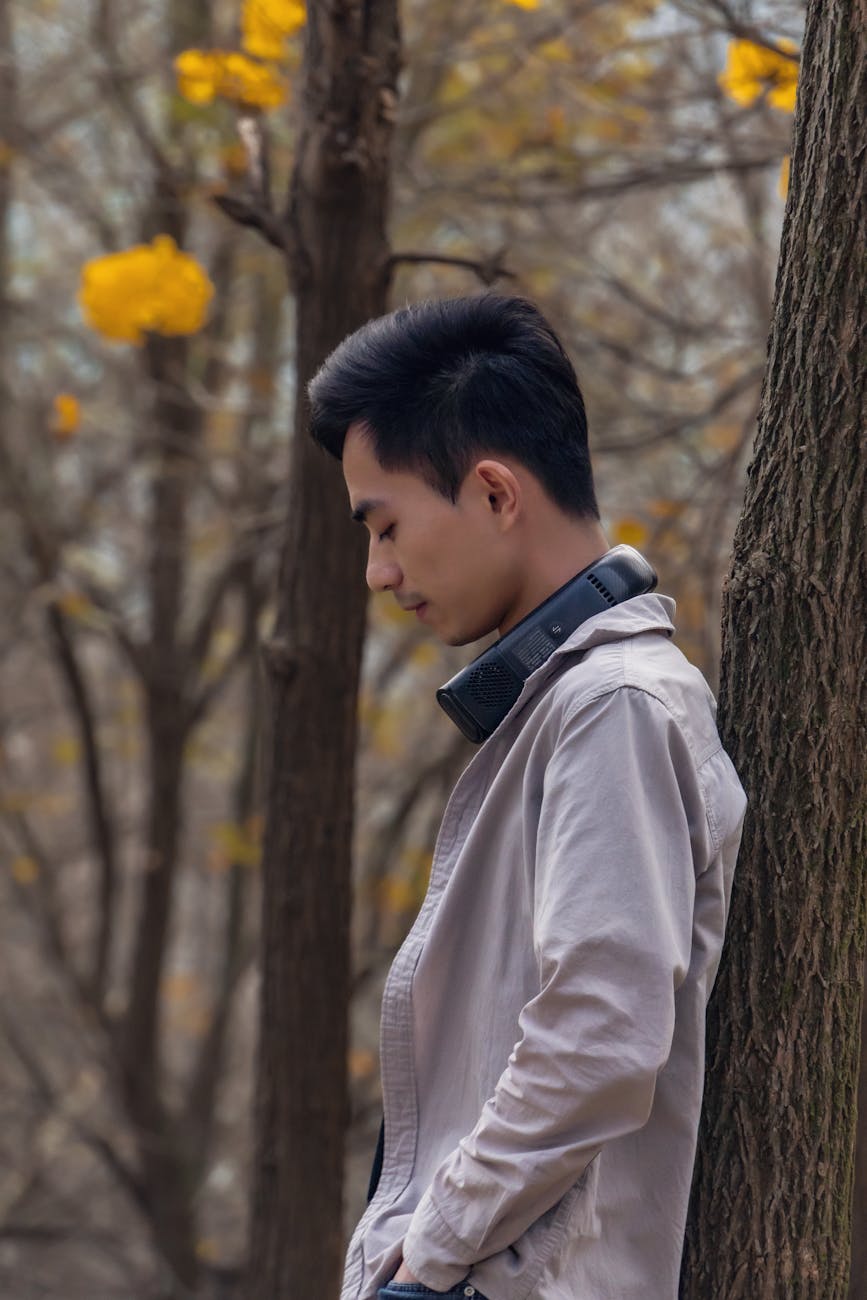
The Quiet Weight Many Men Carry
Many South Asian men grow up hearing a clear message: be responsible, be dependable, and don’t complain.
Responsibility is often seen as a defining trait of masculinity. From a young age, boys may feel pressure to succeed academically, support family members, and become financially stable as quickly as possible.
While responsibility can build resilience and maturity, it can also create an emotional burden that many men carry silently.
For many South Asian men, the expectation is not just to succeed personally—but to represent the hopes of the entire family.
Cultural Expectations Around Responsibility
In many South Asian families, boys are raised with strong expectations around duty and sacrifice.
Common messages include:
- “You need to take care of the family.”
- “Don’t bring shame to the household.”
- “Work hard now so everyone benefits later.”
These expectations often lead men to develop a strong sense of obligation toward:
- parents and extended family
- financial stability
- career success
- maintaining family reputation
While these values can foster dedication and resilience, they can also leave little room for men to acknowledge their own emotional needs.
Why Many Men Handle Everything Alone
Over time, many South Asian men internalize the idea that they should solve problems independently.
They may believe that asking for help means:
- appearing weak
- burdening others
- disappointing family members
- losing respect
As a result, many men cope by carrying stress privately. Instead of sharing struggles, they often focus on maintaining the image that everything is under control.
This pattern can lead to emotional isolation even when men are surrounded by supportive people.
The Hidden Emotional Impact
Carrying responsibility alone can take a significant toll on mental health.
Some men experience:
Emotional exhaustion
Feeling constantly drained from managing work, family expectations, and personal responsibilities.
Difficulty expressing emotions
Years of emotional suppression can make it hard to identify or articulate feelings.
Internal pressure to succeed
Feeling that any mistake or setback could disappoint family members.
Loneliness
Even when surrounded by family or friends, men may feel that no one truly understands what they are carrying.
Because these experiences are rarely discussed openly, many men assume they are the only ones struggling.
The Role of Therapy
Therapy offers a space where South Asian men can step out of the role of being “the responsible one” for a moment.
Instead of focusing only on what others need, therapy allows men to explore:
- their own emotional experiences
- the pressure they carry
- the expectations they’ve internalized
- healthier ways of balancing responsibility with personal well-being
This process does not mean abandoning cultural values or family responsibilities. Instead, it allows men to carry those responsibilities in a healthier and more sustainable way.
A Healthier Definition of Strength
Strength does not mean enduring everything alone.
True strength often involves:
- recognizing when support is needed
- building emotional awareness
- creating space for rest and reflection
- allowing yourself to be human
South Asian men deserve support just as much as anyone else.
Book a Consultation
If you’re a South Asian man navigating pressure, responsibility, or emotional isolation, therapy can offer a supportive space to explore these experiences.
👉 Book a free 15-minute consultation
https://aws-portal.owlpractice.ca/krishnavora/booking
 Krishna Vora Therapy
Leave a comment