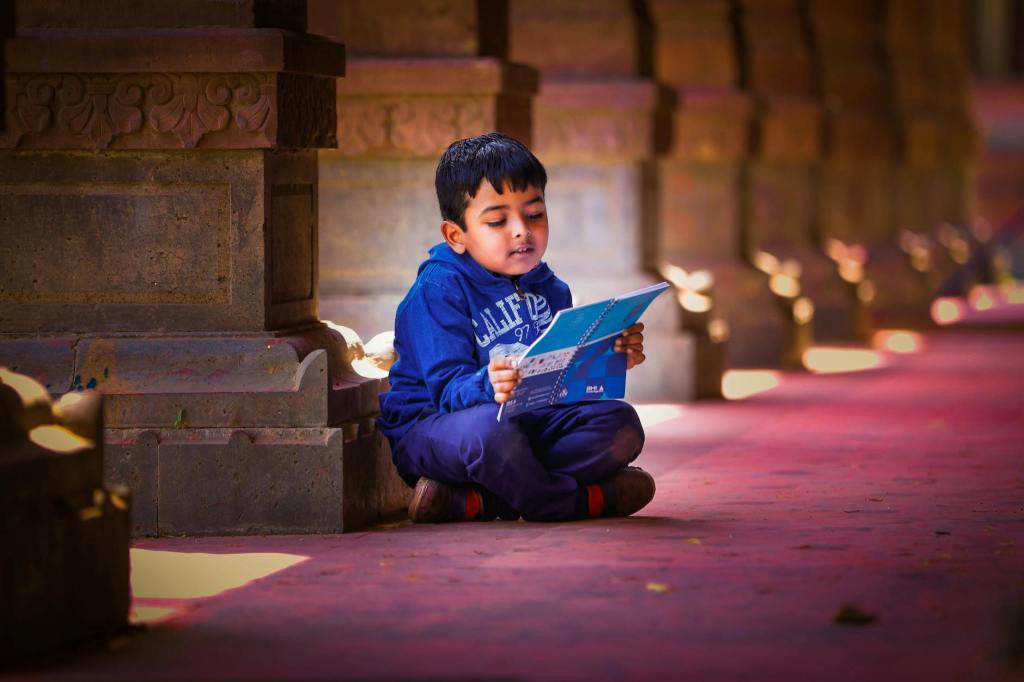

Why does my child seem brilliant… but also constantly struggling?
They grasp complex ideas quickly.
They ask deep, philosophical questions.
Teachers say they’re “so smart.”
And yet:
They forget homework.
They melt down over small frustrations.
They procrastinate.
They seem capable — but inconsistent.
If this sounds familiar, your child (or even you) may be twice exceptional, also known as 2e.
As a psychotherapist in Ontario who works with neurodivergent and South Asian families, I often meet parents who feel confused and conflicted:
“How can my child be gifted and have ADHD at the same time?”
The answer is: very easily.
What Does Twice Exceptional (2e) Mean?
Twice exceptional (2e) refers to individuals who are both:
• Gifted (high cognitive ability, advanced reasoning, strong verbal or analytical skills)
AND
• Neurodivergent or living with a learning difference — such as ADHD, dyslexia, dysgraphia, or other learning disabilities.
In other words:
They have exceptional strengths and real challenges — at the same time.
This creates what we call an asynchronous profile.
Some areas are far ahead. Others lag behind.
And because of this unevenness, 2e individuals are often misunderstood.
How Giftedness Can Hide ADHD
Gifted children often:
• Learn quickly
• Mask executive functioning challenges
• Compensate through intelligence
• “Figure it out” at the last minute
So early on, no one notices ADHD.
Instead, adults may say:
- “They just need to apply themselves.”
- “They’re bored.”
- “They’re capable — they’re just not trying.”
But intelligence can mask ADHD for years.
Eventually, the demands increase:
- More homework
- Less structure
- Higher expectations
- More competition
And suddenly, the cracks begin to show.
Signs of Giftedness + ADHD (2e Profile)
Here are common signs I see in twice exceptional children and teens:
Cognitive Strengths
• Advanced vocabulary
• Deep curiosity
• Strong pattern recognition
• Big-picture thinking
• Creative problem-solving
ADHD Traits
• Difficulty starting tasks
• Time blindness
• Emotional intensity
• Impulsivity
• Disorganization
• Hyperfocus on interests
The combination can look like:
- High test scores but missing assignments
- Insightful ideas but messy execution
- Perfectionism with procrastination
- Emotional overwhelm after school
Twice Exceptional in South Asian Families
In many South Asian immigrant households, education is deeply valued — often seen as stability, security, and survival.
High achievement is encouraged.
Comparison is common.
Struggle may be interpreted as lack of effort.
So when a gifted child struggles with executive functioning, it can be confusing — or even distressing — for families.
You might hear:
- “But they’re so smart.”
- “When I was young, I just worked harder.”
- “They’re capable — why aren’t they doing it?”
What often goes unrecognized is that ADHD is not about intelligence.
It is about:
- Procrastination
- Working memory
- Task initiation
- Emotion regulation
- Rejection Sensitivity
And giftedness does not protect against these challenges.
Emotional Intensity in Twice Exceptional Children
Many 2e children are deeply sensitive.
They may:
• Experience strong empathy
• Be perfectionistic
• Overthink social interactions
• Feel injustice intensely
• Have big emotional reactions
In South Asian families where emotional expression may not have been modeled openly, this intensity can be misunderstood.
A 2e child is not “too dramatic.”
Their nervous system is wired for intensity.
When unsupported, this can lead to:
- Anxiety
- Shame
- Burnout
- Masking
- Low self-esteem despite high ability
Why Twice Exceptional Children Are Often Missed in Ontario
In Ontario schools, identification systems can struggle with uneven profiles.
Sometimes:
- Giftedness disqualifies ADHD recognition
- ADHD overshadows giftedness
- Learning disabilities are missed because grades are “good enough”
Without proper psychoeducational assessment, many 2e students go unidentified for years.
Especially:
• South Asian girls
• Quiet high-achievers
• Children who internalize distress
What Support Should Look Like for 2e Children
Twice exceptional children do not need:
• More pressure
• More shame
• More comparison
They need:
1. Neurodiversity-Affirming Understanding
ADHD is not laziness.
Executive dysfunction is not defiance.
2. Strength-Based Support
Build from gifted strengths — don’t ignore them.
3. Emotional Regulation Skills
Gifted ADHD children often experience heightened emotional reactivity.
4. Executive Function Coaching
Task breakdown, external structure, time scaffolding.
5. Cultural Sensitivity
Support must consider:
- Family expectations
- Intergenerational trauma
- Immigration stress
- Achievement pressure
What About Twice Exceptional Adults?
Many South Asian adults discover they are 2e later in life.
They may have been:
• The “smart one”
• The responsible one
• The high achiever
But internally, they felt:
• Chronically overwhelmed
• Disorganized
• Exhausted
• “Never enough”
Giftedness may have carried them far.
ADHD may have quietly cost them emotionally.
Recognition can be life-changing.
Therapy for Twice Exceptional Individuals in Ontario
Therapy for 2e clients must be different.
Traditional ADHD approaches can feel too simplistic.
Traditional gifted spaces may ignore executive challenges.
In my practice, I offer:
• Neurodiversity-affirming therapy
• Trauma-informed support
• Executive functioning strategies
• Culturally attuned understanding of South Asian family systems
• Emotional regulation tools
Twice exceptional individuals deserve support that sees the whole picture — not just one part of them.
Frequently Asked Questions About Twice Exceptional (2e)
Can a child be gifted and have ADHD?
Yes. Intelligence and ADHD are independent. Many gifted individuals also meet criteria for ADHD.
How do I get my child assessed in Ontario?
A psychoeducational assessment through a registered psychologist can identify both giftedness and learning differences.
Is twice exceptionality common?
More common than people realize — but often under-identified.
Can adults be twice exceptional?
Absolutely. Many adults discover their ADHD later in life, especially in high-achieving communities.
Final Thoughts
If your child seems brilliant but overwhelmed…
If you feel smart but chronically exhausted…
If achievement has always felt harder than it looks…
You may be looking at a twice exceptional profile.
There is nothing broken here.
There is a nervous system that needs understanding.
There is intelligence that deserves support.
There is potential that thrives with the right environment.
Book a Free 15-Minute Consultation
If you’re in Ontario and looking for therapy that understands giftedness, ADHD, and South Asian cultural context, you’re welcome to connect.
Support does not require crisis.
It begins with being seen.
 Krishna Vora Therapy
Leave a comment